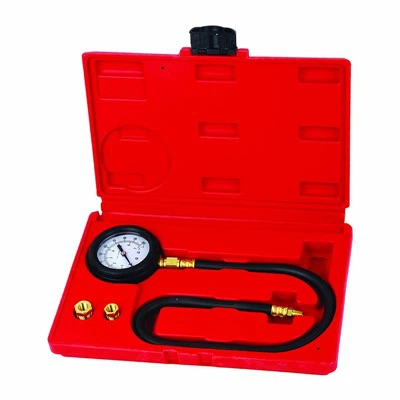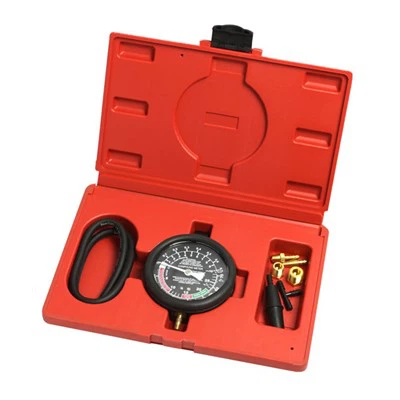

The normal fuel pressure range is generally considered to be 3 to 5 bar. When the engine is running, fuel pressure generally remains between 150 and 350 kPa. Here are some details about fuel pressure:
1. When the ignition is turned on but the engine is not started, the electric fuel pump begins operating. The fuel pressure at this point must meet specific technical requirements and typically fluctuates around 0.3 MPa.
2. When the engine is idling, the value displayed on the fuel pressure gauge represents the operating pressure of the fuel supply system at idle speed. This value is typically 0.25 MPa, or may vary depending on the specific vehicle's specifications.
3. A fuel pressure regulator is installed at one end of the fuel rail. It has two main functions: first, it regulates the fuel pressure of the fuel supply system, ensuring that the difference between the system oil pressure and the intake manifold pressure remains stable (this setting is generally 300kPa); second, it effectively buffers pressure pulsations caused by the fuel pump supplying fuel and pressure fluctuations caused by intermittent injection from the injectors.